
Planning a wedding already feels like a big journey. Planning one in another location — sometimes another country — can feel both magical and slightly overwhelming at the same time.
Most couples imagine a destination wedding long before they understand how it actually works. They picture ocean views, sunset ceremonies, relaxed celebrations, and meaningful time spent with loved ones away from everyday life.
Then the practical questions begin.
Where do we even start?
How do guests travel?
Is it harder than a traditional wedding?
The truth is, learning how to plan a destination wedding isn’t about managing hundreds of complicated details. It’s about making thoughtful decisions in the right order so the experience feels joyful instead of stressful.
This guide walks you through everything step by step — simply, honestly, and realistically.
Why Couples Choose Destination Weddings
A destination wedding isn’t just about a beautiful location. It changes the entire feeling of the celebration.
Instead of one busy day, it becomes an experience shared over several days — conversations, dinners, excursions, and quiet moments together.
Many couples choose destination weddings because they offer:
- A more intimate guest list
- Built-in vacation memories
- Relaxed atmosphere
- Meaningful time with loved ones
- Unique wedding photos and experiences
Understanding why you want a destination wedding helps guide every decision that follows.
Step 1: Decide What “Destination” Means to You
One of the first lessons in how to plan a destination wedding is realizing that destination doesn’t always mean international.
It could be:
- A beach town a few hours away
- A mountain resort
- A historic city you both love
- A tropical island abroad
Choose a location that feels emotionally connected to your story — not just visually beautiful.
Ask yourselves:
- Do we want relaxation or adventure?
- Warm weather or seasonal charm?
- Easy travel or once-in-a-lifetime scenery?
The right destination should feel exciting and practical.
Step 2: Set a Realistic Budget Early
Many couples assume destination weddings are automatically expensive. Surprisingly, they can sometimes cost less than large hometown weddings.
But budgeting works differently.
Your expenses may include:
- Travel and accommodations
- Venue packages
- Guest experiences
- Local vendor coordination
- Legal paperwork
When learning how to plan a destination wedding, clarity around budget prevents stress later.
Helpful tip: prioritize experiences over extras. Guests remember moments more than decorations.
💡 Many couples find it helpful to organize budgets, timelines, and guest details using a structured wedding planning organizer or printable checklist (Check Here). Having everything in one place makes long-distance planning feel far more manageable.
Note: This is an affiliate recommendation, meaning a small commission may be earned at no additional cost to you.
Step 3: Choose the Right Time of Year
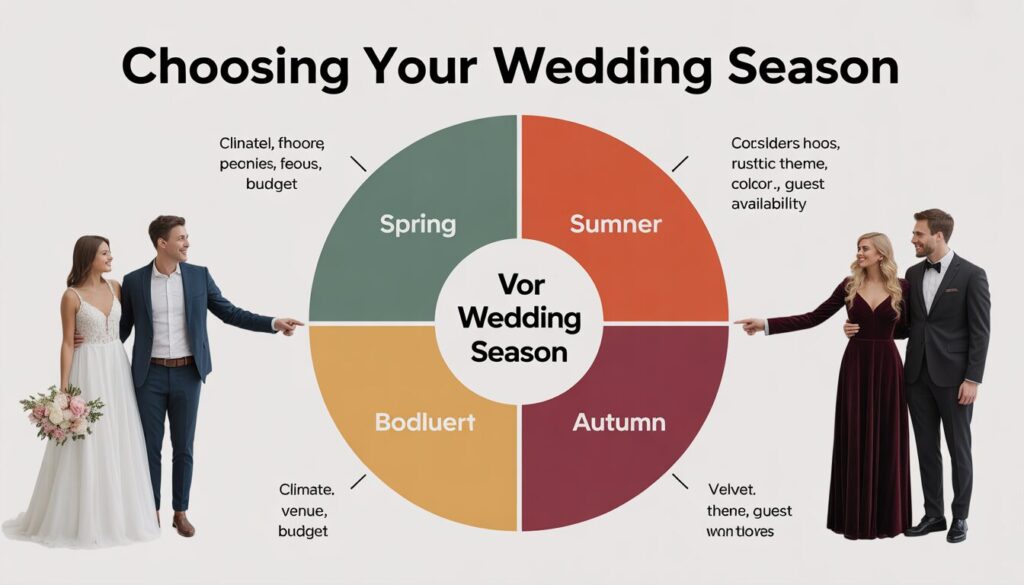
Weather plays a major role in destination weddings.
Research carefully:
- Peak tourist seasons
- Rainy or hurricane periods
- Local holidays
- Temperature comfort for guests
A slightly off-season wedding often means better pricing and fewer crowds while still offering beautiful scenery.
Step 4: Create a Guest Experience Plan
A destination wedding asks more from guests — travel, time, and planning. Thoughtfulness goes a long way.
Make things easier by:
- Sending save-the-dates early (8–12 months ahead)
- Sharing travel information clearly
- Recommending accommodations at different price ranges
- Providing simple itineraries
When guests feel guided, they feel appreciated.
And appreciation becomes part of the celebration itself.
Step 5: Work With Local Experts
One of the biggest secrets in how to plan a destination wedding successfully is trusting local professionals.
Local planners and vendors understand:
- Weather patterns
- Cultural traditions
- Legal requirements
- Reliable suppliers
Trying to manage everything remotely often creates unnecessary stress. A local coordinator becomes your eyes and ears on the ground.
Step 6: Understand Legal Requirements
Marriage laws vary widely depending on location.
Some destinations require:
- Residency periods
- Specific documents
- Translations
- Witnesses
Many couples choose to legally marry at home first and hold a symbolic ceremony at the destination. This simplifies paperwork while keeping the emotional experience intact.
Step 7: Visit the Location (If Possible)
A planning visit helps enormously, but it’s not always required.
If you can visit:
- Meet vendors
- Taste menu options
- Walk through ceremony spaces
- Understand travel logistics
If visiting isn’t possible, virtual tours and detailed communication can work just as well when supported by experienced planners.
Step 8: Keep the Schedule Relaxed

A common mistake when learning how to plan a destination wedding is over-scheduling.
Remember — guests traveled to celebrate and relax.
Instead of filling every hour, plan:
- Welcome dinner
- Wedding day
- Optional group activity
Leave space for spontaneous moments. Those often become the most meaningful memories.
Step 9: Think Comfort First
Destination weddings often involve heat, walking, or outdoor settings.
Consider:
- Breathable attire
- Comfortable footwear
- Shade or cooling options
- Hydration stations
When guests feel comfortable, the entire atmosphere becomes happier and more relaxed.
Step 10: Communicate Clearly and Kindly
Good communication reduces almost all destination wedding stress.
Create a simple wedding website including:
- Travel details
- Dress code guidance
- Schedule overview
- Contact information
Guests don’t expect perfection — they appreciate clarity.
Common Destination Wedding Concerns (And Honest Answers)
“What if many guests can’t attend?”
Smaller attendance often creates deeper connections and more meaningful experiences.
“Is planning from far away stressful?”
Not when decisions are simplified and delegated properly.
“Will it still feel like a real wedding?”
Absolutely. In fact, many couples say destination weddings feel more personal because distractions disappear.
👉 If you’re still organizing your timeline, Read > Wedding Planning Checklist: A Simple Step-by-Step Guide for a Stress-Free Wedding.
The Emotional Side of Destination Weddings
Something special happens when people travel together for a celebration.
Conversations last longer. Laughter feels easier. Time slows down.
You’re not rushing between schedules or obligations. You’re fully present — surrounded by people who chose to be there with you.
That emotional closeness is often what couples remember most.
Final Thoughts: Planning With Confidence
Learning how to plan a destination wedding isn’t about controlling every detail perfectly.
It’s about creating an experience that reflects who you are as a couple — relaxed, intentional, and meaningful.
Start with clear priorities.
Keep decisions simple.
Trust experienced professionals.
Focus on connection over perfection.
When you plan with intention instead of pressure, a destination wedding becomes more than an event.
It becomes a shared adventure — the first chapter of your married life written somewhere beautiful.
And long after the decorations are gone and suitcases are unpacked, what remains isn’t just the location.
It’s the feeling of celebrating love in a place that allowed everyone to slow down and truly be present together.
Some links in this guide are affiliate links. If you choose to purchase, we may earn a small commission—at no extra cost to you. We only recommend what we truly believe in.